Here in Missouri, we’re no strangers to frigid winters. When temperatures dip below freezing, it’s not just the roads and driveways you need to worry about. It’s your plumbing too. At Kleen Green Group, we’ve seen firsthand how devastating frozen pipes and winter water damage can be for homeowners and businesses alike. A single burst pipe can unleash thousands of gallons of water in minutes, causing serious damage to floors, walls, insulation, and personal belongings.
The good news? Most winter-related water damage is completely preventable. With a little planning and a few key habits, you can protect your property and avoid the chaos of winter water damage. Below, we’ll walk you through what causes frozen pipes, how to prevent them, and what to do if you suspect a pipe has already frozen or burst.
Key Takeaways
- How to prevent frozen pipes in winter? Insulate exposed pipes, keep indoor heat steady, and seal gaps that let in cold air.
- What temperature do pipes freeze at? Water can freeze in pipes when temperatures drop below 32°F, especially in unheated areas.
- Why do frozen pipes burst? As water freezes, it expands and creates pressure, leading to cracks or bursts when it thaws.
- How do I know if my pipe is frozen? Look for no water flow, visible frost, or bulging pipes.
- What to do if your pipe freezes? Turn off water, apply heat carefully, and call a professional if needed.
- Can frozen pipes cause water damage? Yes, burst pipes can release hundreds of gallons of water, leading to major damage and mold growth.
- Best ways to winterize a home? Disconnect hoses, insulate pipes, keep heat on, and allow faucets to drip.
Why Frozen Pipes Are a Serious Problem
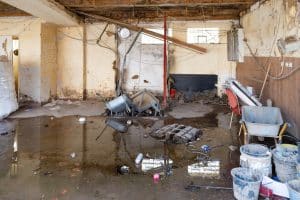
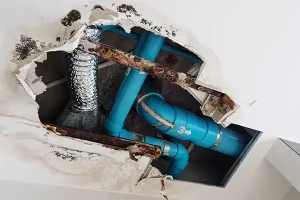
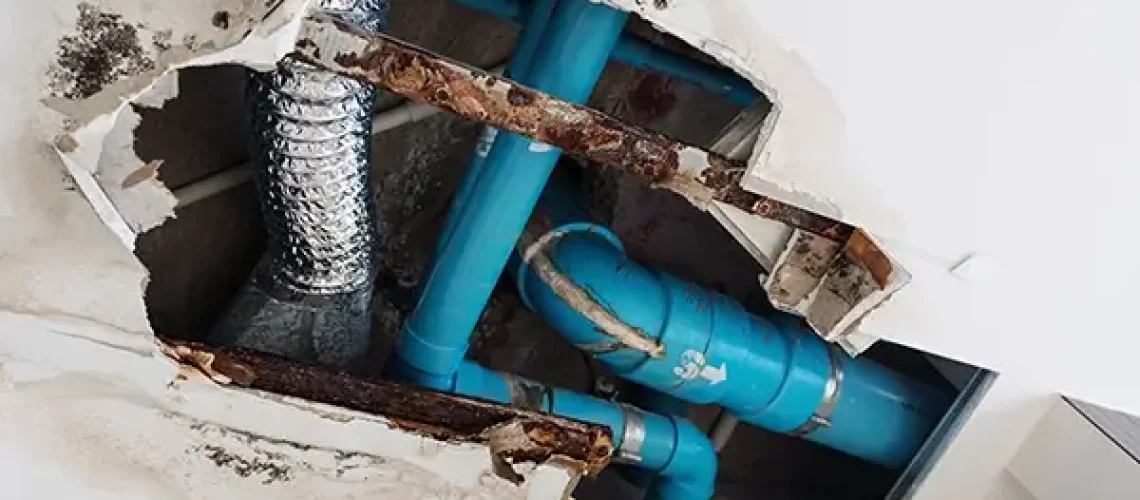
When water freezes, it expands. If that water happens to be inside your plumbing, the ice puts immense pressure on the pipe walls, especially if the pipe is made of metal or PVC. Eventually, that pressure becomes too much, and the pipe cracks or bursts. When the frozen section thaws out, all that built-up water starts pouring out, often unnoticed until it’s caused a major mess.
The most vulnerable pipes are those located:
- In uninsulated crawl spaces or attics
- Near exterior walls
- Under sinks and cabinets with poor airflow
- In garages, basements, and outbuildings
Unfortunately, frozen pipes aren’t just a minor inconvenience. They can lead to expensive repairs, mold growth, structural damage, and insurance headaches. That’s why prevention is always worth the effort.
Cold Weather Plumbing Checklist: How to Prevent Frozen Pipes
At Kleen Green Group, we believe in taking a proactive approach. Whether you own a home, manage a rental property, or run a business, here are some key steps you can take before and during freezing weather:
1. Insulate Exposed Pipes
Start by identifying any exposed pipes in unheated or poorly insulated areas, especially basements, crawlspaces, attics, and garages. Use foam pipe sleeves or wrap them with fiberglass insulation or heat tape. For outdoor pipes, you may want to consider adding an insulated cover.
2. Keep the Heat On
If you’re leaving your home or business for an extended period of time during the winter, don’t turn the heat off entirely. Keep the thermostat set to at least 55°F, even if no one is there. It’s a small investment compared to the cost of flood damage.
3. Let Faucets Drip
Allowing a slow drip of cold water from faucets that are served by vulnerable pipes can prevent freezing. The continuous movement of water reduces the risk of ice blockages, even when the temperatures plummet.
4. Open Cabinet Doors
For pipes under sinks open cabinet doors to let warmer air circulate around the plumbing, especially those along exterior walls. This is particularly important at night when outside temps drop the lowest.
5. Seal Drafts and Gaps
Use caulk or spray foam to seal any gaps, holes, or cracks around windows, doors, and openings where pipes or cables enter the building. Cold air sneaking in can significantly increase the risk of frozen pipes.
6. Disconnect Garden Hoses and Winterize Outdoor Faucets
Always disconnect hoses, drain the water from them, and store them indoors. Shut off the water to outdoor spigots and use insulated faucet covers to protect them during the winter months.
Signs Your Pipes Might Be Frozen
Sometimes, even with precautions in place, pipes can still freeze, especially during extreme cold snaps. Keep an eye out for these warning signs:
- No water (or only a trickle) coming from the faucet
- Frost visible on the outside of a pipe
- Bulging or cracked pipes
- Strange clanking or banging sounds in the plumbing
- Water damage or leaks in walls, ceilings, or floors
If you notice any of these signs, it’s important to act fast to minimize the damage.
What to Do If Your Pipes Freeze
If you suspect a frozen pipe, here’s what we recommend:
- Turn off the water supply. This prevents a flood if the pipe bursts while thawing.
- Open the faucet. This allows water to escape as it begins to thaw.
- Apply heat. Use a space heater, hairdryer, or heating pad to warm the pipe. Never use an open flame. It’s dangerous and can damage the pipe.
- Call a professional. If you can’t locate the frozen section or if the pipe has already burst, contact a plumber or restoration expert right away.
At Kleen Green Group, we’re available 24/7 to handle water emergencies and help with cleanup, drying, and restoration if a burst pipe causes damage.
How Winter Water Damage Can Affect Your Home
Water damage from frozen pipes doesn’t just mean a puddle on the floor. The consequences can be widespread and long-lasting:
- Ruined drywall and insulation that must be removed and replaced
- Warped flooring and damaged subfloors
- Electrical hazards from water intrusion in outlets or wiring
- Mold growth that can begin within 24–48 hours
- Structural damage to beams, supports, and ceilings
Once water gets in, it doesn’t just disappear on its own. That’s why fast, professional water removal and drying are essential to preventing long-term damage.
How Kleen Green Group Can Help
We understand how stressful winter water damage can be, especially when it happens unexpectedly. That’s why our team at Kleen Green Group is ready to step in quickly. We’re a full-service restoration company serving Missouri homes and businesses with:
- Emergency water extraction
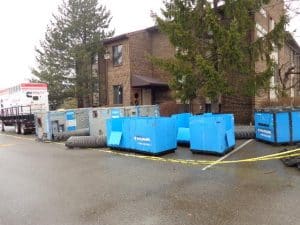
- Structural drying and dehumidification
- Mold prevention and remediation
- Repairs and reconstruction
Whether it’s a minor leak or a major burst, we’ll walk you through the recovery process, work with your insurance, and get your space back to normal as quickly and safely as possible.
Don’t Wait Until It’s Too Late
Winter can be unpredictable, but your response to it doesn’t have to be. At Kleen Green Group, we’re here to help you prevent damage before it starts and handle cleanup if the worst happens. If you’ve experienced frozen pipes, a burst line, or any other type of winter water damage, don’t wait.
We’re proud to protect homes and businesses across Missouri with the expert care and personal service you deserve. Call Kleen Green Group today for fast, professional restoration services you can count on.